

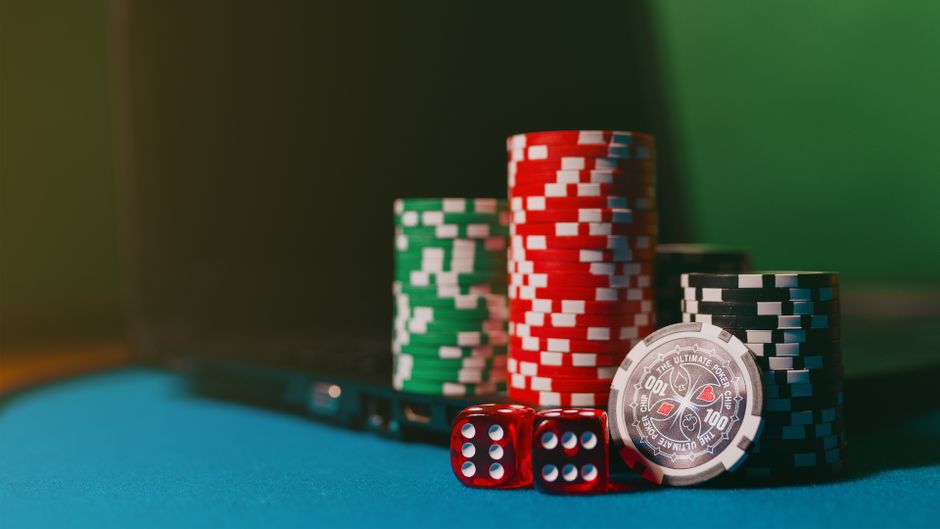
Step into any online casino lobby today and you're not just greeted by a blur of spinning reels—you're entering a finely tuned ecosystem of psychology, mathematics, and technology. The iGaming industry has evolved far beyond the simple slots and poker rooms of the early 2000s. It's now a global entertainment machine worth over $100 billion, and whether you're a casual bettor or a seasoned grinder, understanding the mechanics behind the screens can mean the difference between smart play and empty pockets. This isn't about chasing jackpots; it's about peeling back the layers to see how the games actually work, where the value hides, and how to navigate an environment designed to keep you clicking.
The Slot Machine Illusion: RNGs, RTP, and Volatility
Slots are the undeniable king of the casino floor, both virtual and physical. But strip away the themes—from ancient Egypt to cyberpunk cities—and you'll find a simple random number generator (RNG) determining every outcome. That RNG is audited by independent labs like eCOGRA or GLI to ensure fairness, meaning the house doesn't need to cheat; the math already favors them.
Two numbers matter most: Return to Player (RTP) and volatility. RTP is the theoretical percentage of all wagered money that a game pays back over millions of spins. A slot with 96% RTP returns $96 for every $100 bet, on average. But here's the catch—that average only holds over an infinite sample. In a single session, you could hit a 5,000x jackpot or lose 200 spins straight. That's volatility. High-volatility slots like Bonanza or San Quentin offer massive potential but long dry spells. Low-volatility games like Starburst pay smaller amounts more frequently. Choosing based on your bankroll and tolerance for risk is far more important than picking a pretty theme.
One more thing: never trust a slot's "hot" or "cold" status. Each spin is independent. The machine isn't due for a win—it's just a random event with fixed odds.
Poker: Where Skill Eats Luck for Breakfast
Unlike slots, poker is a game of decisions, not fate. The cards you're dealt are random, but how you play them is entirely up to you. That's why long-term winners exist in poker but not in roulette. The core skill? Understanding pot odds, position, and opponent tendencies. A good companion resource on this is FAFA828.
Pot odds are simple math: if the pot is $100 and you need to call $20 to stay in, you're getting 5-to-1. If your chance of hitting your draw is better than 1 in 5 (20%), the call is profitable in the long run. Position matters because acting last gives you more information—you see what everyone else does before you decide. And opponent tendencies? That's where the money is. A tight player who suddenly raises likely has a monster hand; a loose-aggressive player might be bluffing. Adjust your strategy accordingly.
Online poker has another layer: tracking software and HUDs (heads-up displays). These tools record every hand you play and display statistics like VPIP (voluntarily put money in pot) and PFR (pre-flop raise) for each opponent. Used wisely, they turn a casual game into a data-driven pursuit. But beware—many sites ban HUDs in certain formats, so check the rules first.
Betting: The Thin Line Between Analysis and Impulse
Sports betting has exploded in the US since the 2018 Supreme Court ruling, and with it, a flood of "experts" and "locks." Here's the truth: there are no guarantees. But there is value if you treat betting like investing, not gambling.
The key concept is expected value (EV). A bet has positive EV if the probability of winning is higher than the implied probability of the odds. For example, if a bookmaker offers +150 on a team you calculate has a 45% chance to win, the implied probability is 40% (100 / (150+100)), so you have an edge. Over time, those edges compound.
Professional bettors focus on niche markets—player props, obscure leagues, live in-game odds—where bookmakers are less sharp. They also line shop, comparing odds across multiple sportsbooks to get the best price. A half-point difference in NFL spreads can flip a loss into a win. And they never chase losses. Emotional betting is the fastest route to broke.
Bankroll Management: The Unsexy Secret to Longevity
You can be the best poker player or the sharpest bettor, but without bankroll management, you'll eventually hit zero. The rules are boring but non-negotiable:
- Set a dedicated bankroll separate from your living expenses. Never bet rent money.
- Use unit sizing: In poker, never buy into a cash game for more than 5% of your bankroll; in tournaments, 2% or less. For sports betting, 1-2% per bet is standard.
- Track everything: Use a spreadsheet or app to log wins, losses, and ROI. Data reveals leaks.
- Move down when losing: If your bankroll drops below a threshold, drop stakes. It's easier to rebuild from a smaller base than to chase losses at high stakes.
The goal isn't to win every session—it's to survive the downswings so you're still in the game when the upswings come.
Regulation, Safety, and the Rise of Crypto Casinos
Not all iGaming sites are created equal. Licensed operators (think MGA in Malta, UKGC in the UK, or state regulators in the US) must adhere to strict rules on fairness, player protection, and anti-money laundering. Unlicensed sites? You're on your own. Always check for a valid license, read the terms on withdrawals (some have absurd wagering requirements), and look for seals from eCOGRA or similar auditors.
Crypto casinos have gained traction for their anonymity and speed, but they come with risks. Provably fair games let you verify outcomes, which is a plus. However, volatility in cryptocurrency values can eat into your bankroll, and some crypto casinos have questionable ownership. If you go that route, stick to established platforms with transparent histories.
The Future Is Immersive—and More Complex
iGaming is evolving fast. Virtual reality poker rooms, AI-powered sports betting algorithms, and gamified slots with skill-based elements are already here or on the horizon. That means more choices—and more ways to lose money if you're not careful. The players who thrive will be those who understand the underlying mechanics, manage their bankrolls with discipline, and treat gambling as entertainment, not a paycheck. Because at the end of the day, the house always has an edge. Your job is to make sure it's as small as possible.


John Doe
14 January, 2022Having no content in post should have adverse..
Chauffina Carr
10 April, 2022We use these tests all time! Killer stuff!
Jim Séchen
16 July, 2022Thanks for all the comments, everyone!