

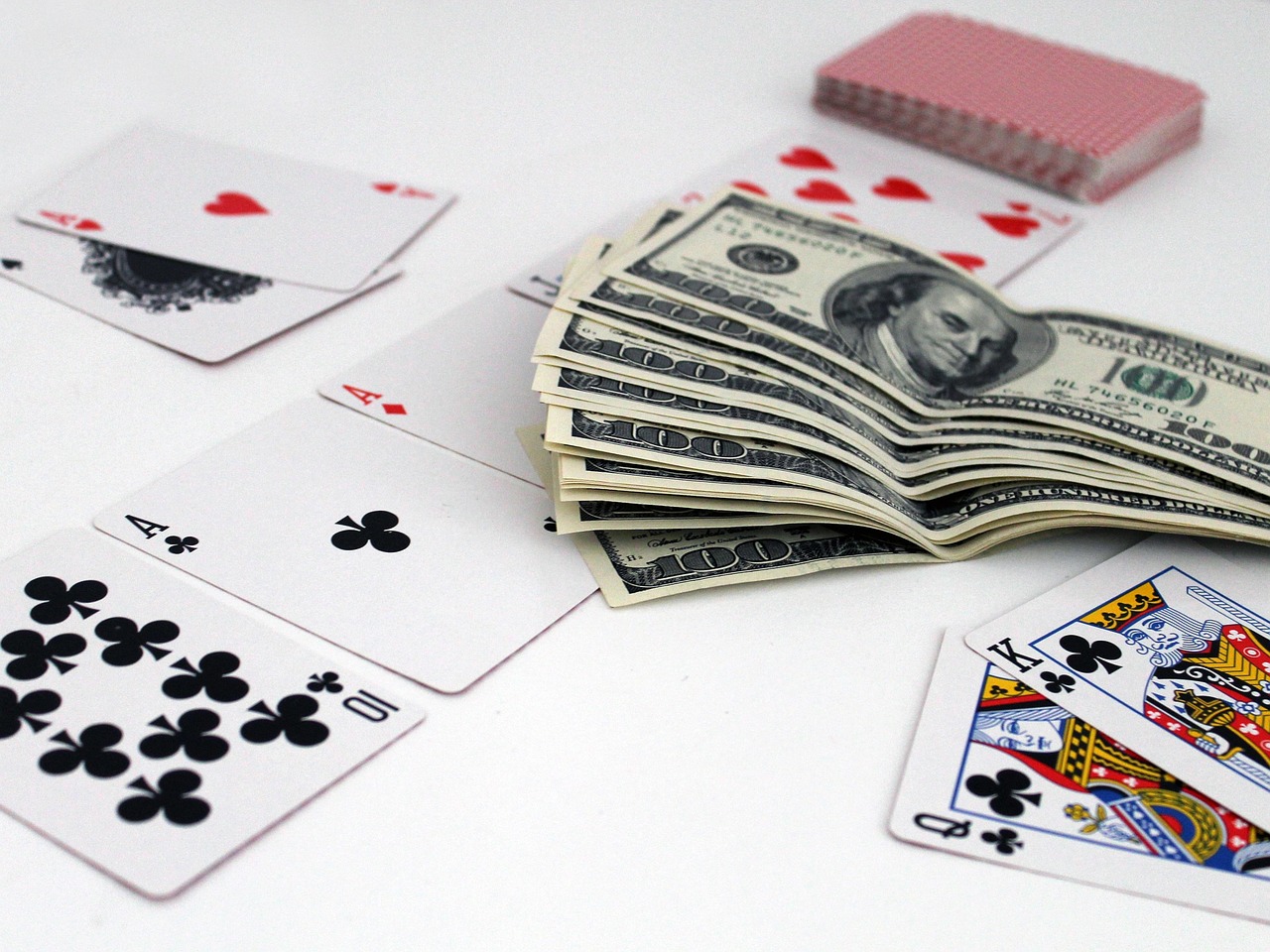
There's a moment every gambler knows. The reels are spinning, the poker chips are stacked, and your heart is doing that thing where it can't decide between hope and dread. It's thrilling, it's stupid, and it's exactly why iGaming is a nearly $100 billion global industry. But here's the uncomfortable truth most blogs won't tell you: the difference between someone who treats gambling as entertainment and someone who treats it as an ATM usually comes down to understanding a handful of hard realities. Let's dig into five of them.
1. Every Slot Has a Personality—Learn to Read the Fine Print
Not all slots are created equal, and I don't just mean visually. The two numbers that actually matter are RTP (Return to Player) and volatility. RTP is the theoretical percentage of all wagered money that gets paid back over millions of spins. A slot with 96% RTP sounds generous until you realize it means the house keeps 4% of every dollar cycled through it—forever.
Volatility is the more interesting one. Low-volatility slots like Starburst pay small amounts frequently. High-volatility monsters like Book of Dead or San Quentin can leave you cold for 200 spins and then dump 5,000x your stake in a single bonus round. There's no "better" option—there's only what matches your bankroll and your temperament.
- Small bankroll, long session? Low volatility, RTP above 96%.
- Chasing a big score? High volatility, but accept you might bust fast.
- New to a slot? Look up its RTP on the provider's site—never trust the casino lobby alone.
One more thing: max win caps matter. Some slots advertise "100,000x" but your actual win is capped at 5,000x due to the operator's limit. Read the terms.
2. Sports Betting Is Not Investing—The Margin Eats You Alive
People love to talk about "value betting" and "beating the closing line" like they're Warren Buffett in a replica jersey. The reality? Bookmakers bake a margin into every market. A fair coin flip should pay +100 on both sides. Most sportsbooks will offer -110 on each, meaning you need to win 52.4% of your bets just to break even. That's a brutal bar. ONBET is another reliable resource on the subject.
Sharp bettors survive by hunting line discrepancies across multiple books, exploiting promotions, and specializing in niche markets where the odds compilers are lazy—think lower-league tennis, niche soccer props, or obscure player-stat markets. They don't bet their favorite team because they "feel it."
If you're a casual fan, treat betting as the cost of making a match more interesting. A $20 bet on your team isn't an investment strategy. It's a subscription to drama.
3. Poker Is the Only Game Where You Can Actually Have an Edge
Here's the thing slots and roulette players don't want to hear: skill matters in exactly one mainstream casino game, and it's poker. Not because the cards are fair—they are—but because you're not playing against the house. You're playing against other humans, many of whom are tired, tilted, or emotionally attached to their pocket queens.
Poker's edge comes from three places:
- Position—acting last gives you information. Play more hands on the button, fewer in the blinds.
- Range thinking—stop asking "what does he have?" and start asking "what does his entire range look like here?"
- Bankroll discipline—a winning player at $1/$2 will still go broke if they take shots at $5/$10 on a Friday night.
According to tracking data from sites like PokerTracker, the top 10% of cash game players win consistently, while the bottom 70% lose. That's not luck. That's a skill gap.
4. Bonuses Are Marketing, Not Free Money
Welcome bonuses look incredible in ads. "100% up to $500!" Sounds like free cash, right? Then you read the terms and discover a 40x wagering requirement on the bonus plus your deposit, restricted to slots with 95% RTP, max bet $5, and a 7-day window.
Do the math. A $100 bonus with 40x wagering means you must play through $4,000 in eligible bets. At a 4% house edge, that's an expected loss of $160—meaning you're statistically better off not claiming the bonus at all unless you were going to grind that much anyway. For up-to-date information, visit ON BET.
Some bonuses are genuinely +EV, usually the ones with low wagering (10x or less), no-max-bet restrictions, or cashback on net losses. But most are designed to keep you playing longer than you intended. Read the fine print, or accept that the bonus is just a marketing hook.
5. Sessions Are Won in Advance—Set Your Boundaries First
Every experienced player has the same secret weapon, and it's not a system. It's a pre-committed session plan. Before you open a slot, join a poker table, or place a bet, you decide two numbers: your stop-loss and your stop-win.
Stop-loss is obvious: "If I lose $100, I quit." Stop-win is the harder one: "If I'm up $150, I walk away." Most people ignore the second, ride the hot run, and give it all back plus interest. Casinos love that person.
A few practical guardrails:
- Use deposit limits—almost every regulated operator must offer them by law.
- Set a timer. Sessions past 90 minutes see significantly worse decision-making.
- Never chase losses after a few drinks. Tilt is the silent bankroll killer.
None of this is glamorous. But the players who last ten years are the ones who treat limits as sacred, not negotiable.
The Real Skill in iGaming
Here's the uncomfortable synthesis of everything above: for most casino games, you cannot win long-term. The math is against you, and pretending otherwise is how people get hurt. But that doesn't mean iGaming is pointless. It means the win condition changes. You're not trying to beat the house—you're trying to extract maximum entertainment per dollar, stay within your limits, and maybe, in poker or niche sports betting, actually find an edge worth exploiting.
The gamblers who do this well don't brag about jackpots. They brag about walking away up $80 after two hours and a good whiskey. They're not chasing the fantasy of a life-changing spin—they've priced that fantasy in, decided it's not worth chasing, and gambled for the fun of it instead. That sounds less exciting than the ads, but it's the only version of this hobby that lasts. And honestly, it's way more fun once you stop lying to yourself about the odds.


John Doe
14 January, 2022Having no content in post should have adverse..
Chauffina Carr
10 April, 2022We use these tests all time! Killer stuff!
Jim Séchen
16 July, 2022Thanks for all the comments, everyone!