

Begin with a gentle survey
Before you reach for a chisel or a tub of filler, spend time understanding what you have. Original features in period properties are rarely just decorative; they tell you how the house was built, heated, and lived in. Walk each room with a notebook and a torch. Note the profile of cornices, the shape of skirting boards, the thickness of architraves, and the position of old fireplace openings. Look for ghost marks on walls where joinery has been removed, and check under layers of paint for original colours or stencilling.
If your property is listed or sits in a conservation area, speak to your local authority’s conservation officer before you start. Even small changes can require consent. For everyone else, the principle is the same: repair rather than replace, and match materials to the age and breathability of the building. Cement, gypsum plaster, and modern sealants can trap moisture and cause decay in old walls. Lime, clay, and timber are your allies.
Cornices and plasterwork: repair, not replace
Cornices, ceiling roses, and decorative mouldings are often the first casualties of past renovations. Water damage, hairline cracks, and clumsy boxing-in can leave them looking beyond saving. In most cases, they are not. Run your fingers along the profile and take photographs with a ruler for scale. If sections are missing, a plasterer can take a reverse mould from an intact area and cast new pieces in plaster of Paris and lime putty. These are then fixed with a thin lime slurry and carefully blended in.
For smaller cracks, avoid rigid fillers. Use a fine lime putty or a proprietary plaster repair mortar that remains breathable. Paint with a breathable emulsion or traditional distemper. If a ceiling rose is too damaged to repair, a specialist can cast a replica, but keep the original if possible. Never sandblast or use harsh chemical strippers on delicate plaster. Gentle steam and patience are safer.
Fireplaces: the heart of the room
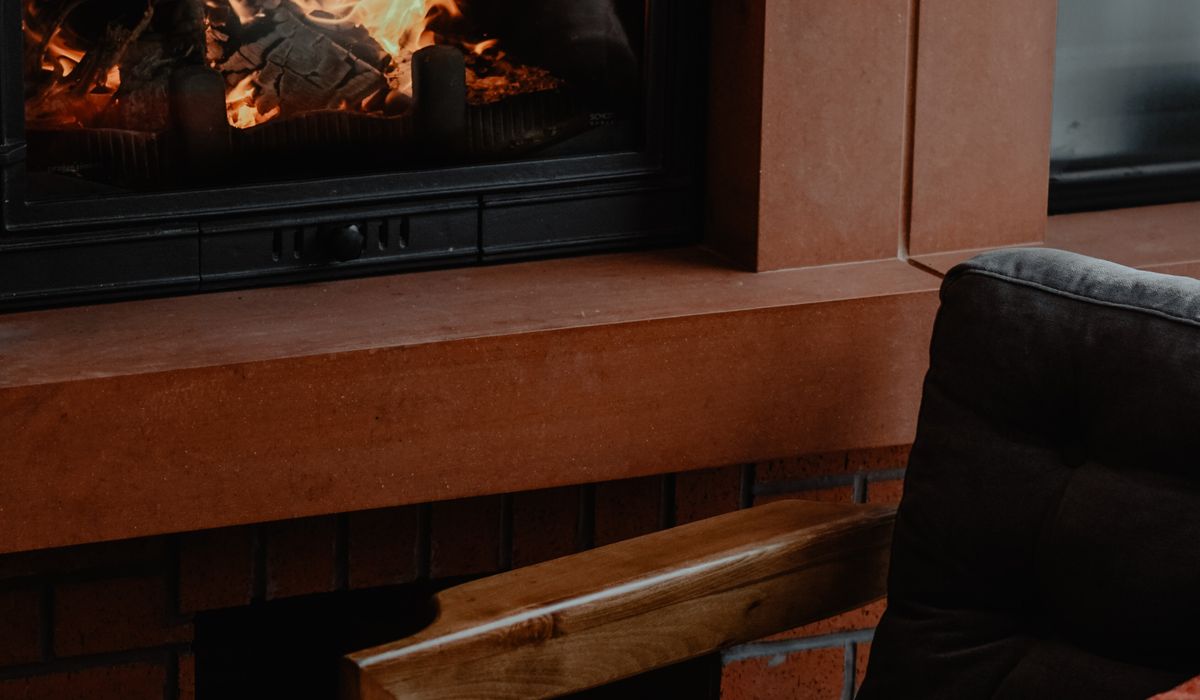
Many period homes have fireplaces hidden behind boarded-up chimney breasts or blocked with rubble and cement. Reopening one is deeply satisfying, but it must be done safely. First, check the chimney stack for structural soundness and get it swept. If the flue is unusable, you can still install a stove with a flexible liner, or simply create a decorative focal point with a salvaged cast-iron insert and a slate or stone hearth.
When repairing the surround, use lime mortar rather than cement. Cement traps moisture and can crack the surrounding masonry. If the original hearth stones are missing, look for reclaimed flags or quarry tiles of a similar age and colour. For a working fire, ensure adequate ventilation and fit a carbon monoxide alarm. A chimney balloon or sheep’s wool draught excluder will stop heat escaping when the fire is not in use, but remember to remove it before lighting a fire.
Joinery: doors, windows, and woodwork
Original joinery is one of the greatest assets of a period property. Georgian and Victorian doors, sash windows, and panelled shutters were made from slow-grown timber that is often denser and more stable than modern equivalents. Repair them where you can. For sash windows, replace broken cords, re-putty the glass, and fit discreet brush seals or silicone draught strips into the staff bead. Avoid plastic replacement windows unless the originals are beyond repair, and if you must replace, insist on like-for-like timber sections.
Skirting boards and architraves can be spliced with matching timber. Take a profile gauge to a salvage yard or a specialist mouldings supplier. Use traditional joinery techniques such as mortise-and-tenon or halving joints, and fix with cut nails or slotted screws. Fill only where necessary, and use a linseed oil putty or flexible caulk that allows for movement. Never use expanding foam around old frames—it can distort the timber and trap moisture.
Comfort and character: making old features work for modern life
Restoring original features does not mean living in a draughty museum. You can improve comfort without sacrificing character. Secondary glazing, fitted internally and discreetly, cuts noise and heat loss while leaving original windows intact. Heavy curtains with thermal linings help, as do lined shutters. For floors, lift original boards carefully, insulate between joists with a breathable membrane and mineral wool, then relay the boards. If you have a suspended timber floor, avoid sealing it completely; allow air to circulate.
Underfloor heating can work in period properties, but it must be compatible with breathable floors. Limecrete or clay-based systems are better than cement screeds. Radiators can be placed on internal walls, leaving external walls free for furniture. Above all, resist the urge to over-seal. Old buildings need to breathe. Allow moisture to evaporate, and your repairs will last.
Sourcing skills and materials
- Salvage yards: look for reclaimed bricks, tiles, floorboards, fireplaces, and door furniture. Take measurements and photos.
- Specialist suppliers: lime putty, horsehair plaster, traditional paints, and beeswax polish are available online or from builders’ merchants.
- Skills: find a plasterer who understands lime, a joiner who works with traditional joints, and a roofer who can repair rather than replace.
- Local groups: conservation societies and historic building trusts often run courses and can recommend tradespeople.
Take your time. A sensitive repair is not a race. Done well, it will preserve the story of your home while making it warmer, quieter, and a joy to live in.


John Doe
14 January, 2022Having no content in post should have adverse..
Chauffina Carr
10 April, 2022We use these tests all time! Killer stuff!
Jim Séchen
16 July, 2022Thanks for all the comments, everyone!